“Super clone” is one of the most widely used terms in the replica-watch market, but it is also one of the least consistent. Different sellers may use the same label for watches with very different cases, movements, finishing and quality-control standards. For that reason, this guide does not treat “super clone” as a guaranteed grade. Instead, it explains the individual details UK buyers can compare before choosing a Rolex-inspired watch.
The most useful question is not whether a listing uses the words super clone, Swiss or 1:1. It is whether the exact watch is clearly documented: what movement it uses, how the case is finished, what functions operate, how the bracelet fits, whether the photographs match the actual version being sold, and what happens if the watch arrives with a fault.

What Does “Super Clone Rolex” Actually Mean?
There is no independent industry body that certifies a watch as a “super clone”. In practice, the phrase is usually used to describe higher-detail replicas that attempt to reproduce more of the dimensions, appearance or movement layout of a particular Rolex reference than basic replicas do.
That description is still too broad to establish quality by itself. One watch advertised as a super clone may use a movement designed to resemble a particular Rolex calibre, while another may use a more conventional automatic movement behind a closed case back. Case thickness, dial printing, bracelet construction and quality control may also vary independently of the label.
This is why our broader replica watch quality guide recommends evaluating the complete watch rather than treating one grade name as a shortcut.
Marketing terms should be treated as starting points
Terms such as “AAA”, “1:1”, “Swiss quality” and “super clone” can help identify the seller’s intended tier, but they should not be interpreted as standardised specifications. A useful listing should still explain what is actually being supplied.
| Claim or label | What it may suggest | What should still be verified |
|---|---|---|
| Super clone | Higher-detail construction or a clone-style movement | Exact movement, dimensions, functions, photos and QC |
| Swiss / Swiss quality | A premium positioning term | Actual movement origin, calibre family and serviceability |
| 1:1 | An attempt at close visual similarity | Case thickness, dial layout, bracelet, bezel and movement |
| AAA / AAA+ | A seller-defined quality tier | Materials, crystal, movement and finishing |
A seller that provides model-specific information is easier to evaluate than one relying only on increasingly impressive labels.
Movement Types: Visual Similarity Versus Practical Ownership
The movement is one of the most important differences between replica watches, yet it is also one of the easiest areas for marketing language to become confusing.
Some watches use commonly available automatic movements. Others use movements modified or constructed to resemble the architecture and functions of a particular Rolex calibre. Neither approach is automatically the right choice for every buyer.
Clone-style movements
A clone-style movement may be attractive to buyers who care about internal appearance, crown-setting behaviour or functions that more closely follow the layout of the reference watch. The trade-off is complexity. More specialised parts can make future servicing or replacement less straightforward, depending on the movement and the repair options available locally.
Conventional automatic movements
A more conventional automatic movement may not resemble the architecture of the genuine calibre, but it can be a practical option when reliability, parts availability or servicing simplicity matters more than internal visual similarity.
Questions to ask about the movement
- What is the exact movement or movement family?
- Which functions are genuinely operational?
- How is the date or GMT hand adjusted?
- Is the movement commonly serviced by independent watchmakers?
- Are replacement parts or complete replacement movements available?
- Has the individual watch been checked before dispatch?
Be cautious with precise timekeeping claims unless they relate to the individual watch and are supported by an actual measurement. Mechanical accuracy can also change after shipping, impact or extended wear.
Case, Crystal, Dial and Bracelet: Where Quality Becomes Visible
Movement terminology receives a great deal of attention, but the parts the owner sees and touches every day often make a larger difference to the wearing experience.
Case proportions and finishing
Compare more than the advertised steel type. Look at overall thickness, lug shape, crown guards, bezel height and the transitions between brushed and polished surfaces. Sharp, deliberate transitions generally look more refined than surfaces that appear rounded or over-polished.
If a seller advertises a particular steel grade, treat that as a specification to verify rather than proof that the entire watch is high quality. Material choice and machining quality are separate issues.
Crystal and date magnification
Crystal quality affects dial clarity, reflections and the visual depth of the watch. On models with a date magnifier, alignment and magnification are often more noticeable than the crystal material itself. A useful set of photographs should show the watch from more than one angle rather than only a straight-on studio shot.
Dial printing, markers and hands
Small details should be judged as a complete composition. Marker alignment, hand length, text spacing, date position and lume colour can each look acceptable on their own but still produce an unbalanced dial when several are slightly off.
Macro photography is useful, but it should be interpreted sensibly. A tiny printing difference visible only at extreme magnification may matter less in daily wear than incorrect proportions, a poorly fitted bracelet or a troublesome crown.
Bracelet and clasp
Bracelet quality is easy to underestimate in photographs. Link articulation, edge finishing, end-link fit, clasp engagement and adjustment range all affect comfort. A visually convincing watch can still feel disappointing if the bracelet is sharp, excessively loose or difficult to size.
Water Resistance: Never Assume It From the Model Name
A Submariner-style case or screw-down crown does not prove that an individual replica watch is safe for swimming. Water resistance depends on the complete assembly: crown seals, case-back gasket, crystal installation, tube condition and pressure testing.
If water exposure matters, the safest approach is to have the individual watch pressure-tested by a competent watch technician. Until that has been done, appearance alone should not be treated as evidence of water resistance.
Popular Rolex-Inspired Model Families and What to Check
Different model families place emphasis on different details. There is no useful single ranking that applies to every buyer because the right priorities depend on the design and how the watch will be worn.
Submariner-style watches
For a Submariner-style replica, the most visible areas include bezel alignment, insert colour, crown guards, case profile, bracelet fit and clasp operation. Buyers who intend to wear the watch frequently may prefer a straightforward, serviceable movement over a more complex internal copy.

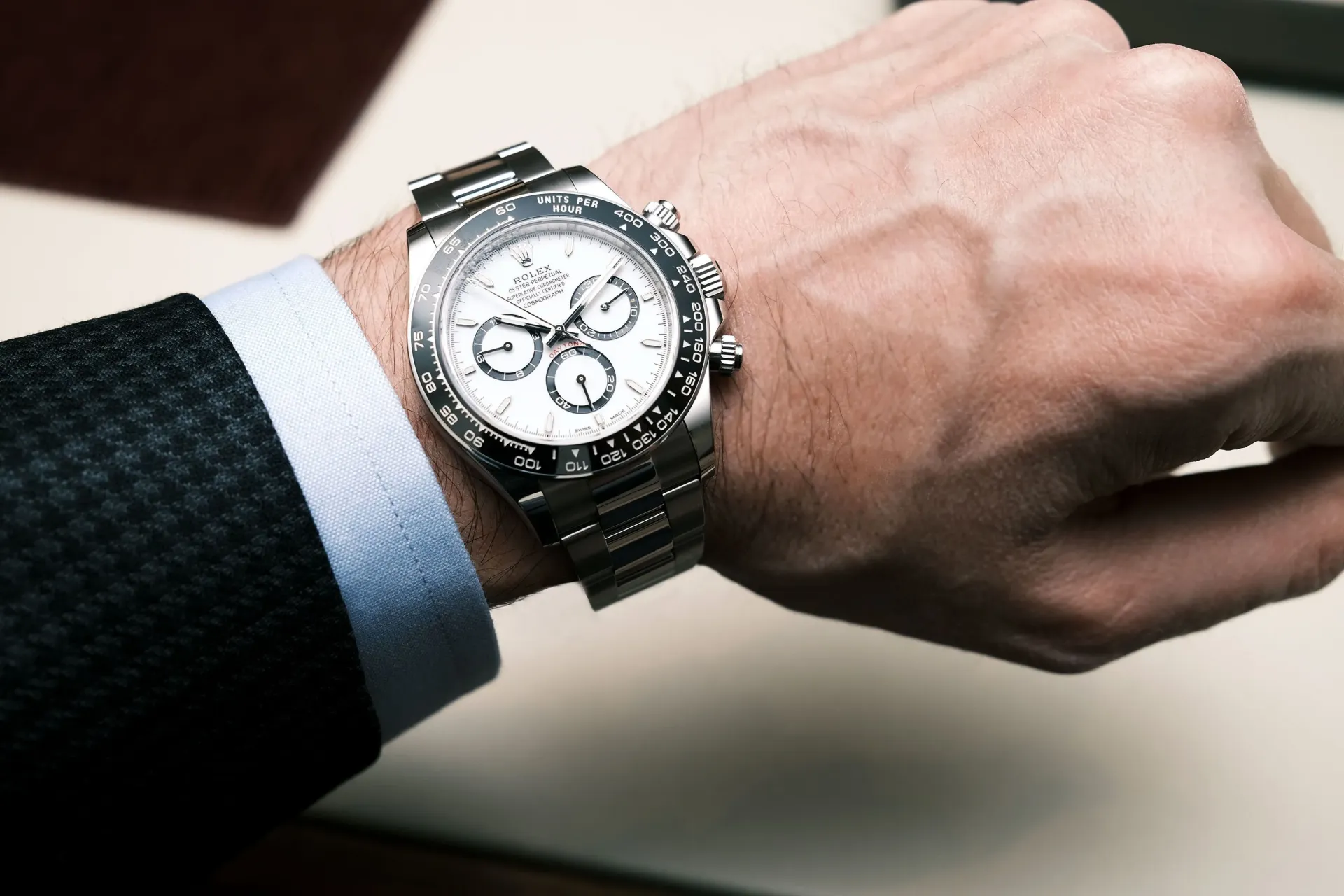
Daytona-style chronographs
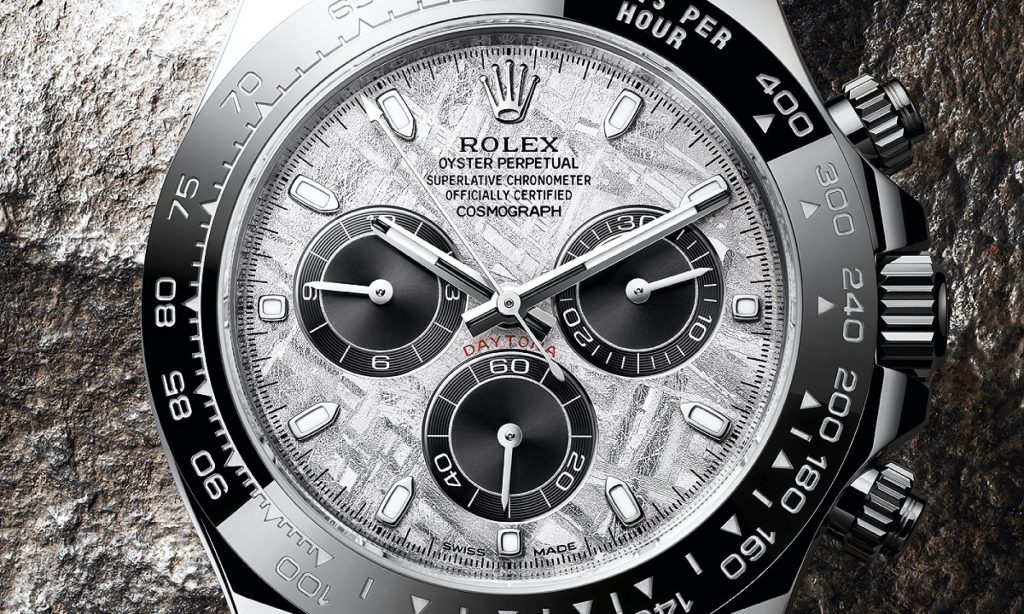
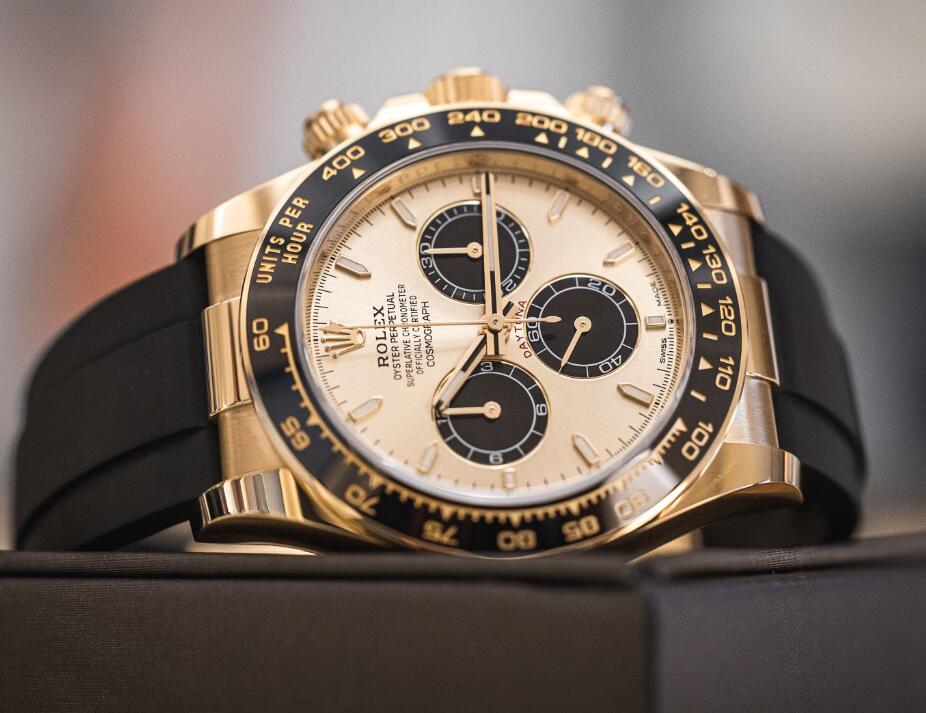
A Daytona-style replica adds chronograph complexity. Check whether the sub-dials perform the functions expected, whether the pushers operate consistently and whether the case thickness remains suitable for the design. A visually attractive dial does not compensate for unreliable chronograph operation.
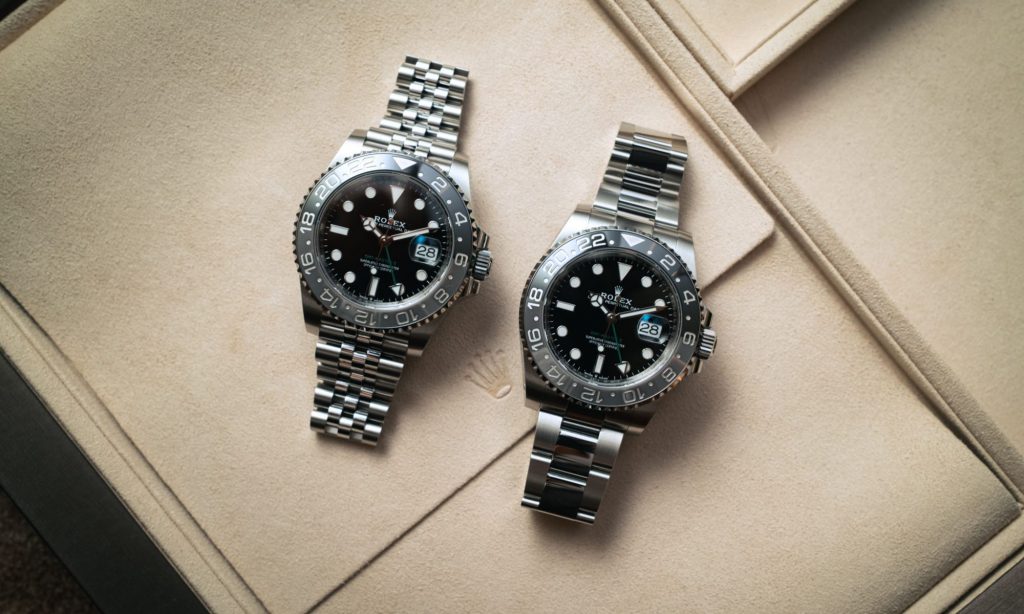
GMT-Master II-style watches
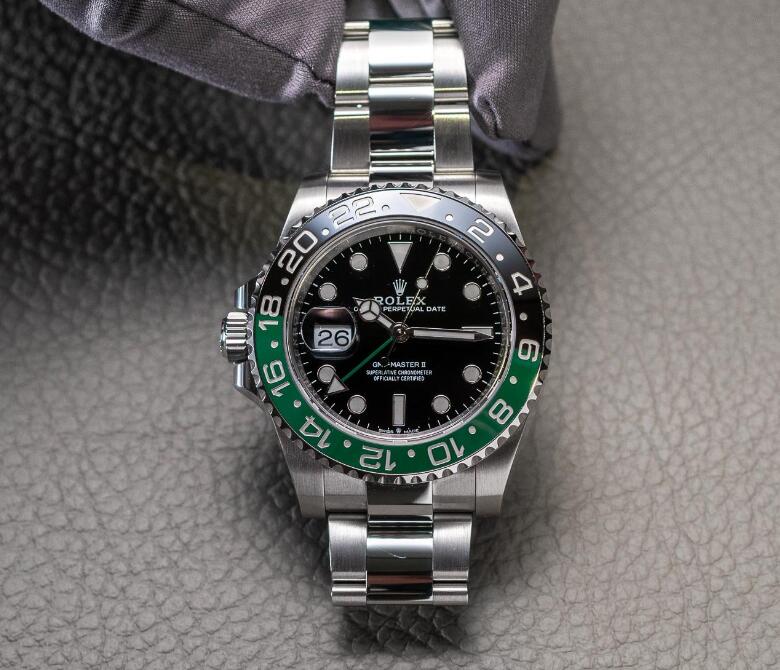
For a GMT-Master II-style watch, confirm how the additional hour hand works. Similar-looking movements can use different setting arrangements. Bezel action, insert colour and hand alignment are also worth checking in model-specific photographs.
Datejust, Day-Date and Yacht-Master-style watches
Classic models place greater visual emphasis on dial colour, bezel finish, bracelet choice and date presentation. On a Datejust-style watch, a small alignment issue or poorly executed fluted bezel may be more noticeable than on a busier sports design.
Sport-luxury models such as Yacht-Master-inspired watches also benefit from photographs taken on the wrist because case proportions, bezel width and bracelet taper can look different from isolated product shots.

What a Useful Quality-Control Process Should Check
“QC passed” is meaningful only when the checks are explained. A practical pre-dispatch inspection does not need to promise perfection; it should identify obvious faults before the watch is shipped.
A sensible check can include:
- Visible damage to the case, crystal, bezel or bracelet
- Hand and marker alignment
- Date centring and date-change operation where applicable
- Winding, time-setting and crown operation
- Chronograph or GMT functions where applicable
- Clasp engagement and bracelet screws
- Basic running check for an automatic movement
If photographs or a short video of the actual watch are available, they can be more useful than a generic statement that every watch is “perfect”.
How to Read Product Photographs More Critically
Product photography can help, but it can also hide differences. Highly edited images, dramatic reflections and shallow depth of field may make a watch look attractive without showing the details a buyer needs to judge.
Useful photographs ideally include a straight dial view, both case sides, bracelet and clasp, case back, date window where applicable and at least one image showing the watch at a realistic scale.
Also check whether every image appears to show the same version. A listing that mixes different dial colours, bracelets, crown shapes or movement photographs may not clearly represent the watch being sold.
What UK Buyers Should Verify Before Choosing
For UK buyers, the watch itself is only part of the decision. Delivery, return conditions and after-sales communication can matter just as much if something goes wrong.
- Exact specification: confirm the model, case size, movement, bracelet and functions.
- Actual version: ask whether the photographs represent the current version being supplied.
- Processing and shipping: read the seller’s current policy rather than assuming an older article or forum post is still accurate.
- Returns: understand the conditions, time limits and who pays return shipping.
- Fault procedure: know what evidence is required if a watch arrives damaged or develops an immediate problem.
- Customs and import rules: check the rules that apply to your location before ordering.
- Payment protection: understand the payment method and what buyer protections, if any, apply.
Readers comparing the broader market can start from our replica watches UK hub, then move into individual brand and model pages rather than relying on one generic “best watches” list.
Common Warning Signs in Super Clone Listings
A listing deserves extra scrutiny when the language is much more specific than the evidence. Examples include claims of exact equivalence, guaranteed perfection, universal “Swiss” components or precise performance figures without explaining how those claims were established.
Other warning signs include:
- Only stock photographs with no model-specific details
- No exact movement information
- Several quality labels used interchangeably
- Claims that a replica is impossible to distinguish from a genuine watch
- Water-resistance promises without individual testing information
- Different specifications in the title, description and photographs
- No clear returns or fault procedure
The aim is not to eliminate every uncertainty. It is to reduce avoidable uncertainty before money changes hands.
How This Guide Differs From a “Top 5” List
The previous version of this page ranked several Rolex-inspired models as the “best” choices and made broad claims about materials, movements and similarity. That format was easy to scan, but it did not give readers enough information to verify why one watch was supposedly better than another.
This version takes a different approach. Rather than assigning an overall winner, it explains the factors that can be checked on the exact watch. That produces a more useful decision framework because the same buyer may reasonably prefer different movement or construction choices depending on whether the priority is visual detail, serviceability, daily wear or mechanical complexity.
Frequently Asked Questions
Is “super clone” an official quality standard?
No. It is a market term rather than an independently regulated grade. The exact specifications of the watch still need to be checked.
Does a super clone always use a clone movement?
Not necessarily. Sellers can use the term differently. Confirm the exact movement or calibre family used in the individual model.
Is a clone-style movement always better than a conventional automatic movement?
No. A clone-style movement may offer greater visual or functional similarity, while a conventional automatic movement may be simpler to service. The better choice depends on the buyer’s priorities.
Does 904L steel prove that a watch is high quality?
No. Material grade is only one factor. Case machining, finishing, proportions, bracelet construction and assembly quality all matter.
Can a super clone watch be assumed to be waterproof?
No. Water resistance should be verified on the individual watch through appropriate pressure testing before swimming or regular water exposure.
What should I compare first?
Start with the exact movement, case dimensions, dial and crystal, bracelet construction, real photographs and the seller’s current quality-control and after-sales information.
Final Takeaway
A useful super clone Rolex comparison should make the watch easier to understand, not simply add stronger marketing language. The label can tell you how a seller positions a product, but it cannot replace model-specific evidence.
For most buyers, the strongest decision comes from balancing four things: visible construction quality, movement practicality, honest documentation and after-sales support. Once those are clear, it becomes much easier to decide whether a particular Submariner, Daytona, GMT or classic Rolex-inspired design suits the way you actually plan to wear it.
ShopReplica UK is an independent site and is not affiliated with or authorised by Rolex SA. Brand and model names are used for identification and comparison. Replica watches should always be represented as replicas rather than genuine branded products.