
For many years, discussions about replica watches were often reduced to a single question: how much does it cost?
In 2026, that question is becoming less relevant among experienced watch enthusiasts in the United Kingdom. Today’s buyers are more informed, more selective, and more interested in understanding quality, craftsmanship, and long-term satisfaction than ever before.
Across watch forums, collector communities, review websites, and enthusiast groups, conversations have evolved significantly. Rather than focusing solely on affordability, collectors now evaluate watches using many of the same criteria applied to genuine luxury timepieces.
This shift reflects a broader change in how people approach watch collecting. Design, engineering, wearability, and personal enjoyment have become central considerations. As a result, understanding how enthusiasts evaluate watches provides valuable insight into the modern watch market.
The Modern UK Watch Buyer Is More Informed Than Ever
The internet has transformed the way people research watches. Twenty years ago, buyers relied on magazine reviews, dealer recommendations, and limited discussion forums. Today, detailed information is available instantly.
Collectors can access:
- High-resolution photography
- Macro dial comparisons
- Movement analysis videos
- Long-term ownership reviews
- Technical specifications
- Community discussions
- Historical references
This access to information has raised expectations across the entire market. Buyers are no longer satisfied with superficial descriptions. They want evidence, details, and real-world experiences.
As knowledge has become more accessible, the average enthusiast has become significantly more sophisticated.
Why Design Often Matters More Than Branding
Many experienced collectors appreciate watches because of their design rather than simply the name printed on the dial.
Good design is timeless. It balances proportions, functionality, and aesthetics in a way that remains appealing for decades.
This explains why certain watch models continue to influence the industry generation after generation. Their appeal extends beyond branding and enters the realm of design excellence.
Collectors frequently study case profiles, dial symmetry, bezel proportions, and bracelet integration because these elements define how a watch looks and feels in daily use.
For many enthusiasts, understanding design becomes more rewarding than simply pursuing brand recognition.
The Growing Importance of Wearing Experience
A watch may look impressive in photographs but feel completely different on the wrist.
Experienced buyers understand this distinction.
When evaluating watches, they often consider:
- Weight distribution
- Case thickness
- Lug-to-lug dimensions
- Bracelet flexibility
- Clasp comfort
- Overall balance
These characteristics influence whether a watch remains enjoyable after weeks or months of ownership.
Because of this, many collectors now prioritize real-world wearability over purely visual appeal.
How Quality Standards Have Changed
The expectations surrounding watch quality have increased dramatically.
Buyers routinely examine details that were rarely discussed a decade ago. These include:
- Dial printing precision
- Marker alignment
- Bezel operation
- Crystal clarity
- Case finishing consistency
- Bracelet construction quality
- Movement reliability
Even small imperfections are frequently identified and discussed within collector communities.
This heightened scrutiny has encouraged manufacturers throughout the industry to improve production standards and pay greater attention to detail.
Why Rolex-Inspired Designs Continue to Dominate Discussions
Few watch brands have influenced the industry as profoundly as Rolex.
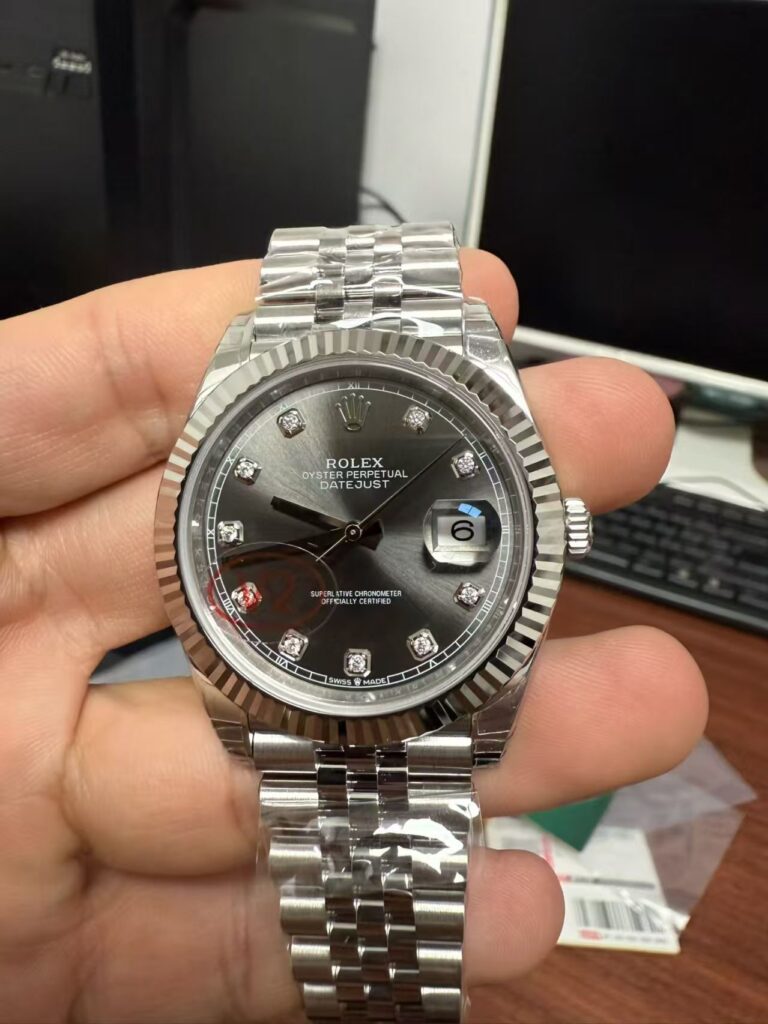
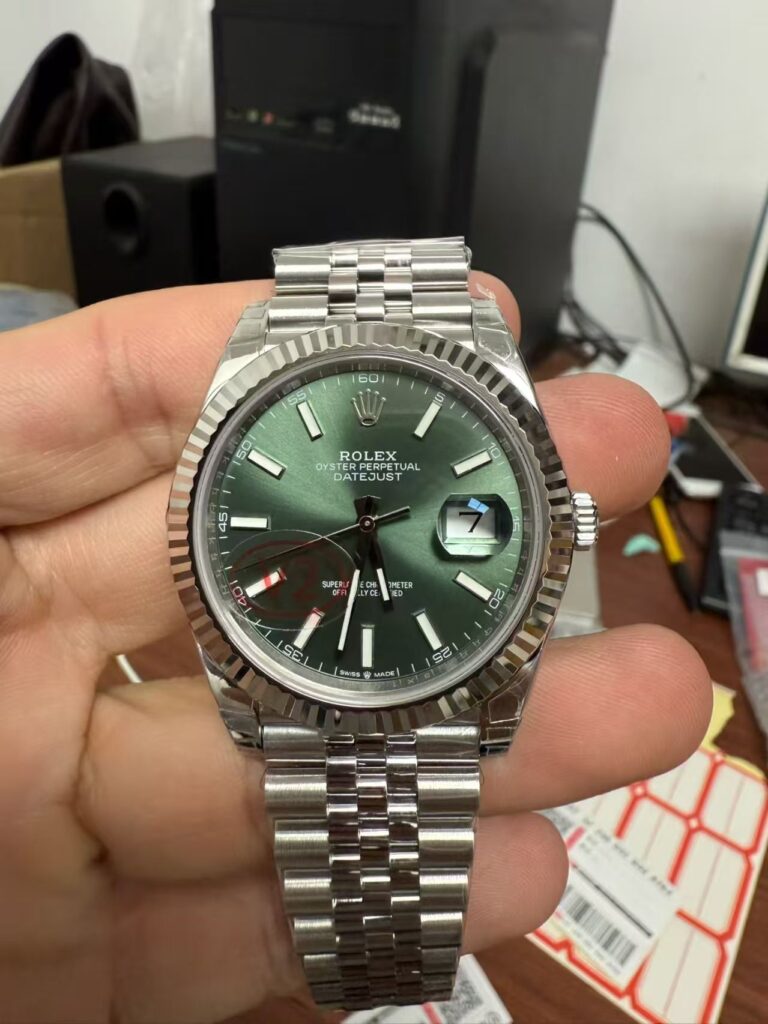
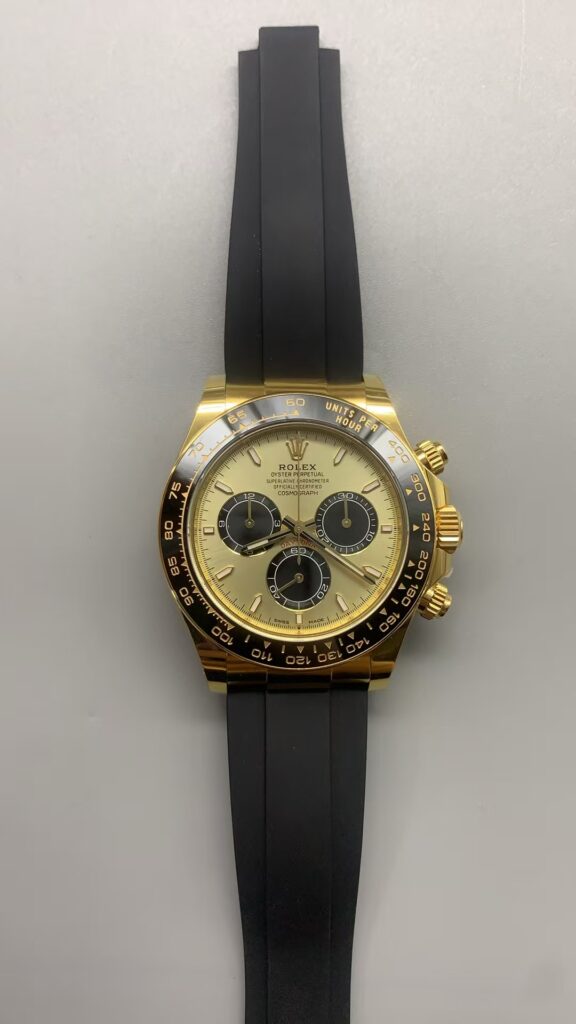
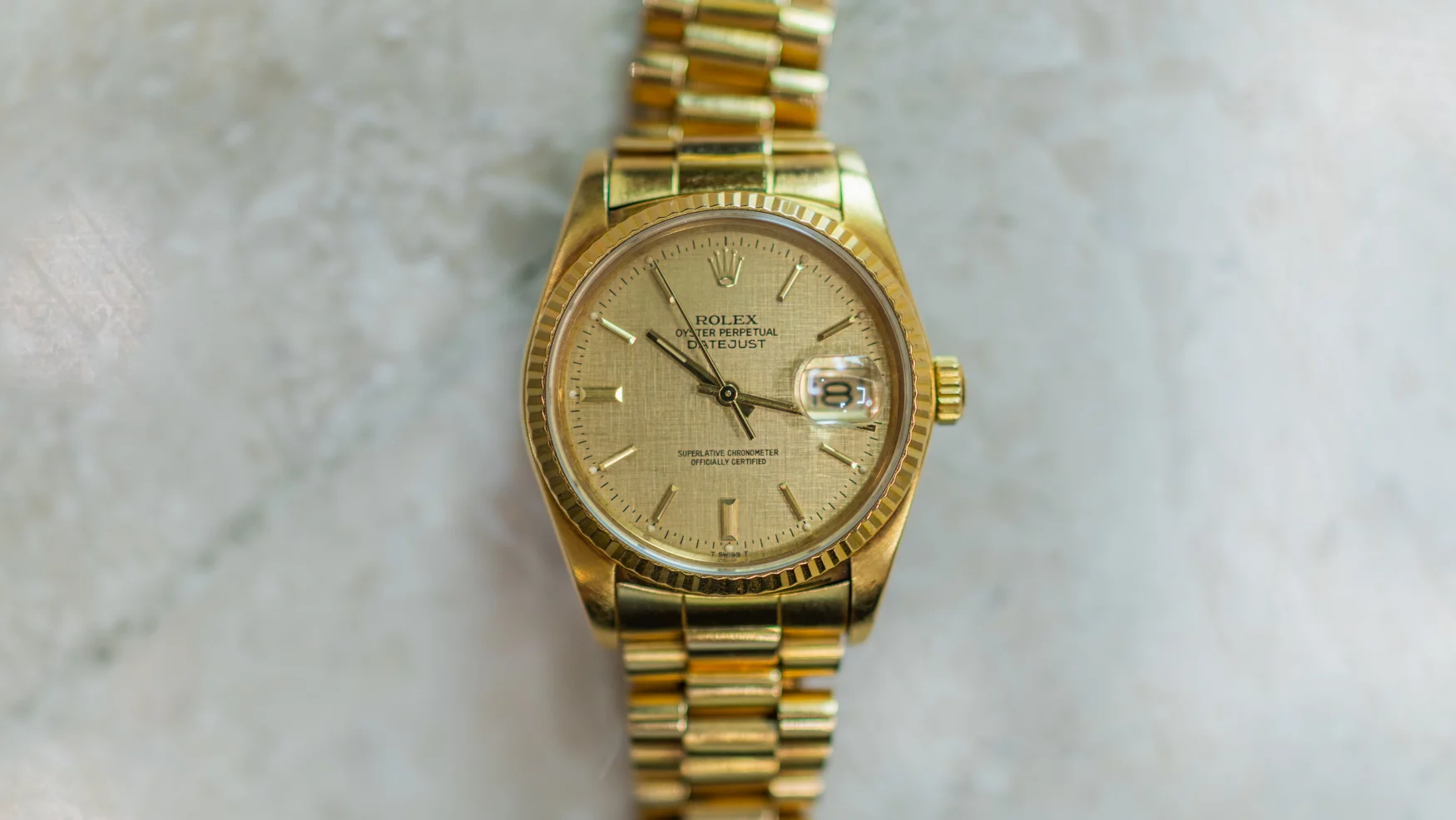
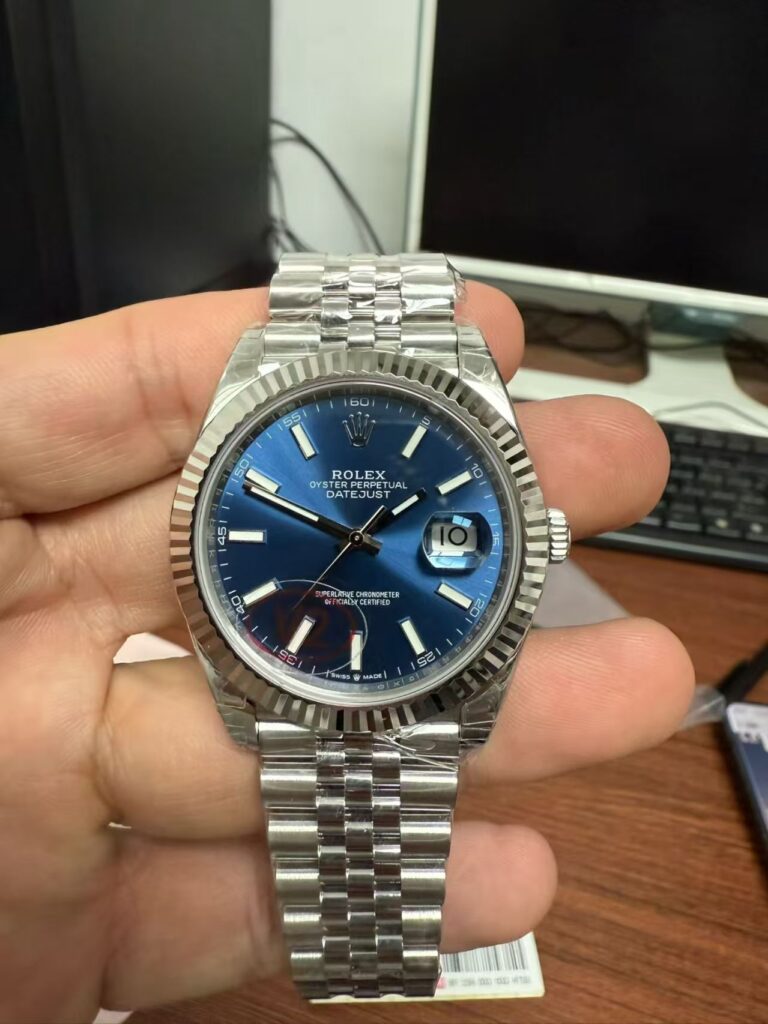
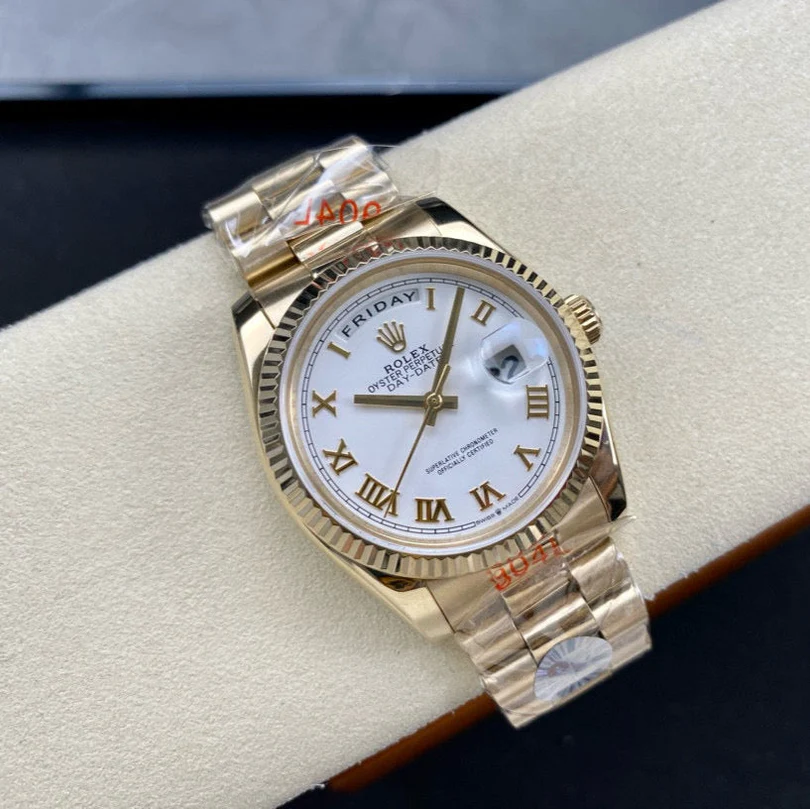
Models such as the Submariner, Daytona, GMT-Master II, Explorer, and Datejust remain among the most recognizable watch designs in the world.
Their influence extends far beyond luxury retail environments. These models are frequently studied because they represent enduring examples of successful watch design.
Collectors appreciate their balanced proportions, functional layouts, and timeless aesthetics.
Understanding why these designs remain popular provides valuable insight into broader trends within the watch market.
The Rise of Practical Ownership Thinking
Modern watch enthusiasts increasingly evaluate watches through a practical lens.
Instead of asking only whether a watch is prestigious, many collectors ask:
- Will I wear this regularly?
- Does the size fit comfortably?
- Can it work in different situations?
- Will I still enjoy it after a year?
- Does it offer long-term satisfaction?
This practical mindset reflects a mature approach to collecting.
Ownership experience has become more important than image alone.
The Influence of Online Communities
Watch communities play a crucial role in shaping buyer expectations.
Forums, blogs, social groups, and review platforms provide opportunities for enthusiasts to exchange information and compare experiences.
These discussions often focus on objective observations rather than marketing claims.
Collectors share:
- Ownership experiences
- Photographic comparisons
- Movement observations
- Durability reports
- Comfort evaluations
- Long-term impressions
This collective knowledge helps buyers make more informed decisions and encourages greater transparency throughout the market.
Understanding the Relationship Between Expectations and Satisfaction
One of the most important factors influencing buyer satisfaction is expectation management.
Collectors who approach purchases with realistic expectations are generally more satisfied than those who rely on assumptions.
Research allows buyers to understand strengths, limitations, and trade-offs before making decisions.
This process reduces disappointment and increases long-term enjoyment.
Whether evaluating luxury watches, microbrands, or other categories, realistic expectations remain essential.
Mechanical Appreciation Continues to Grow
Mechanical watches continue to attract enthusiasts because they combine engineering and craftsmanship.
Many collectors develop a strong interest in understanding how movements operate.
Common areas of interest include:
- Automatic winding systems
- Power reserve performance
- Beat rates
- Accuracy
- Servicing requirements
- Movement architecture
This curiosity reflects a deeper appreciation for watchmaking as both an art and an engineering discipline.
The Role of Personal Preference
No amount of technical analysis can replace personal taste.
Some collectors prefer minimalist dress watches. Others enjoy robust sports models. Many appreciate vintage-inspired designs, while others seek modern aesthetics.
The diversity of preferences within the watch community is one of the reasons the hobby remains engaging.
Ultimately, the best watch is often the one that brings the most enjoyment to its owner.
Why Research Has Become Essential
Experienced collectors rarely make purchasing decisions impulsively.
Instead, they spend considerable time comparing options, reading reviews, studying specifications, and gathering information.
This research process often becomes one of the most rewarding aspects of the hobby.
Learning about watch history, manufacturing techniques, movement design, and case construction deepens appreciation and leads to better-informed decisions.
The Evolution of the UK Watch Community
The UK watch community has become increasingly knowledgeable and analytical.
Collectors today have access to more information than any previous generation. This has raised standards and encouraged a culture of education and transparency.
Independent reviewers, enthusiasts, and community contributors play an important role in helping newcomers understand the market.
This collaborative environment benefits everyone involved by promoting informed decision-making and realistic expectations.
Long-Term Value Means Different Things to Different Collectors
Value is not always measured financially.
For many enthusiasts, value comes from:
- Regular enjoyment
- Comfortable wearability
- Versatility
- Reliable performance
- Design appreciation
- Personal satisfaction
This broader definition of value reflects a more mature understanding of watch ownership.
A watch that is worn frequently and appreciated consistently may ultimately provide more satisfaction than one chosen purely for status.
Looking Ahead to the Future of Watch Collecting
The future of watch collecting is likely to be shaped by information, transparency, and education.
Collectors will continue prioritizing objective analysis over marketing narratives and personal experience over assumptions.
As technology improves and information becomes increasingly accessible, enthusiasts will become even more capable of evaluating watches based on measurable characteristics.
This evolution benefits the entire watch community by encouraging higher standards and more thoughtful purchasing decisions.
Final Thoughts
For UK watch enthusiasts in 2026, evaluating watches involves far more than price or branding.
Collectors increasingly focus on design, craftsmanship, wearability, engineering, and long-term satisfaction. They research carefully, compare objectively, and prioritize personal enjoyment over marketing messages.
This shift reflects the growing maturity of the watch community and demonstrates how modern enthusiasts approach collecting with greater knowledge and appreciation than ever before.
Whether discussing iconic sports models, classic dress watches, or modern interpretations of timeless designs, one principle remains constant: informed decisions lead to more rewarding ownership experiences.
As the watch world continues to evolve, education, curiosity, and thoughtful evaluation will remain the foundation of successful collecting.